
Beginner Tips for Composting at Home: Easy Steps to Get Started
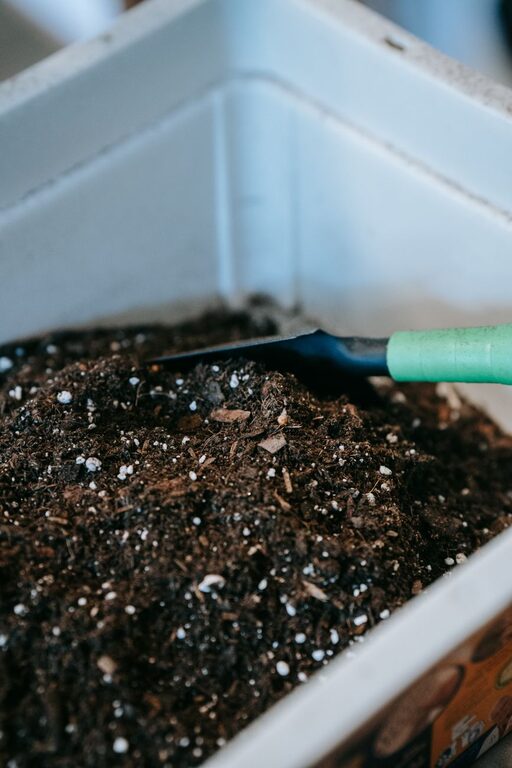
Composting at home is a rewarding and eco-friendly way to reduce kitchen and garden waste while creating nutrient-rich soil for your plants. If you’re new to composting, it might seem a little daunting at first, but with the right guidance, it’s easy to get started and maintain. This guide will walk you through the basics of home composting, helping you turn everyday waste into valuable compost.
What is Composting?
Composting is the natural process of recycling organic matter, such as food scraps and yard waste, into a rich soil amendment known as compost. This process involves microorganisms breaking down the waste into a dark, crumbly, and earthy-smelling material that improves soil health and supports plant growth.
Benefits of Composting at Home
– Reduces landfill waste: Composting diverts organic waste from landfills, decreasing methane emissions.
– Enriches soil: Compost adds nutrients and improves soil structure.
– Saves money: Reduces the need for store-bought fertilizers and soil conditioners.
– Supports plant health: Compost retains moisture and promotes beneficial soil organisms.
– Eco-friendly: It’s a natural way to recycle and supports sustainable gardening practices.
Getting Started: What You Need
Choose Your Composting Method
There are several ways to compost at home. Choose one based on your space and lifestyle:
– Compost bin: A container that holds your compost and keeps it tidy.
– Compost pile: An open pile in your yard, good for larger spaces.
– Tumbler: A sealed bin that you can rotate to mix the compost easily — great for fast composting.
– Vermicomposting: Using worms to break down food scraps indoors.
Location
Pick a dry, shady spot near a water source for your compost bin or pile. It should be accessible but not too close to your home to avoid odors or pests.
What to Compost: The Right Materials
Successful composting depends on balancing two types of materials:
Greens (Nitrogen-Rich)
These provide nitrogen, moisture, and protein for the microorganisms:
– Fruit and vegetable scraps
– Coffee grounds and filters
– Tea bags (without synthetic materials)
– Fresh grass clippings
– Plant trimmings
Browns (Carbon-Rich)
These add carbon and help create air pockets for airflow:
– Dry leaves
– Straw or hay
– Shredded paper or cardboard (non-glossy)
– Wood chips or sawdust
– Pine needles
What NOT to Compost
Avoid items that attract pests, cause odors, or don’t decompose well:
– Meat, fish, and bones
– Dairy products
– Fats and oils
– Pet waste
– Diseased plants or weeds with seeds
– Glossy or colored paper
How to Build Your Compost Pile
- **Start with a layer of browns:** Begin with a 4–6 inch layer of dry leaves or straw to help drainage.
- **Add greens:** Place a 2–4 inch layer of kitchen scraps and fresh grass clippings.
- **Alternate layers:** Keep layering greens and browns to maintain balance.
- **Moisture:** The pile should be moist, like a wrung-out sponge. Add water if too dry or add browns if too wet.
- **Turn the pile:** Every 1–2 weeks, use a pitchfork or shovel to mix the compost. This adds oxygen, which helps speed up decomposition.
Tips for Successful Composting
– Maintain balance: Aim for roughly 2 parts browns to 1 part greens.
– Chop materials: Smaller pieces break down faster.
– Keep it moist: Water as needed to keep the pile damp but not soggy.
– Avoid compacting: Fluff the pile to keep air flowing.
– Be patient: Composting can take anywhere from a few weeks to several months.
– Troubleshoot odors: Foul smells usually mean too much moisture or too many greens; add browns and turn more frequently.
Using Your Finished Compost
Your compost is ready when it looks dark, crumbly, and smells earthy. Use it to:
– Enrich garden beds and flower pots
– Mulch around plants to retain moisture
– Improve lawn soil by spreading a thin layer
– Mix with potting soil for container plants
Final Thoughts
Starting composting at home is a simple yet impactful way to reduce waste and improve your garden’s health. With a little planning and care, you can turn everyday scraps into black gold for your plants. Remember to keep your compost balanced, moist, and aerated, and soon you’ll enjoy the rewards of homemade compost.
Happy composting!