
How to Plan Meals Using Pantry Staples for Easy, Tasty Dinners
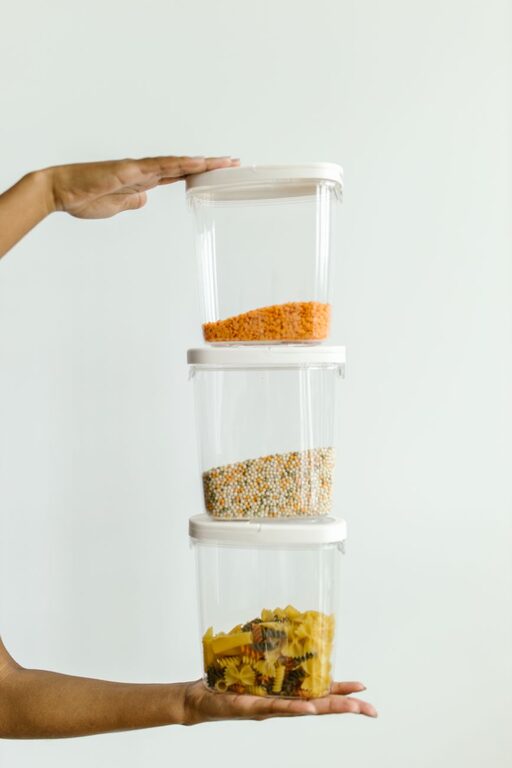
When life gets busy, planning meals from pantry staples can be a lifesaver. Not only does it help you save time and money, but it also reduces food waste and ensures you always have ingredients on hand for tasty, nutritious meals. Whether you’re a beginner cook or looking to simplify your kitchen routine, this guide will walk you through the steps to plan meals using the items you already have.
Why Plan Meals from Pantry Staples?
Planning meals around pantry staples means relying on non-perishable ingredients you keep stocked regularly, such as canned beans, rice, pasta, spices, and canned vegetables. This approach offers several benefits:
– Cost Efficiency: Buying staples in bulk and using them creatively cuts down grocery bills.
– Convenience: You can prepare meals quickly without running to the store.
– Less Waste: Using pantry items before they expire reduces food waste.
– Flexibility: Staples serve as a foundation for countless recipes tailored to your taste.
Step 1: Take Inventory of Your Pantry Staples
Before meal planning, get to know what you already have. Set aside time to:
– Empty pantry shelves and categorize ingredients (grains, canned goods, spices, etc.)
– Check expiration dates and discard any expired products.
– Make a list or spreadsheet of your staples for easy reference.
Common pantry staples to look for include:
– Grains: rice, quinoa, pasta, oats
– Legumes: canned or dry beans, lentils, chickpeas
– Canned items: tomatoes, coconut milk, vegetables, broth
– Baking essentials: flour, sugar, baking powder
– Oils and vinegars
– Spices and herbs
This inventory helps you see what you have and what meals you can create.
Step 2: Identify Meal Types You Can Make
Once you know your staples, think about meal categories that suit your lifestyle, such as quick dinners, soups, or casseroles. Here are ideas to get started:
– Pasta dishes: Spaghetti with tomato sauce, pasta salad with beans and veggies
– Rice bowls: Stir-fry style or mixed with beans and canned corn
– Soups and stews: Lentil soup, vegetable chili, rice and bean stew
– Casseroles and bakes: Tuna noodle casserole, bean and rice bake
– Breakfast options: Oatmeal with nuts and dried fruit, pancakes from pantry flour
– Snacks and sides: Roasted chickpeas, rice cakes with seasoning
Having a list of go-to meal types makes it easier to plan weekly menus.
Step 3: Create a Meal Plan
Now that you know what you have and what you can make, it’s time to plan your meals:
– Use your pantry inventory to select meals for each day.
– Aim to combine pantry staples with fresh produce or proteins you have on hand.
– Include meals that share ingredients to minimize waste.
– Consider batch cooking some dishes to have leftovers.
Example Weekly Meal Plan Using Pantry Staples:
| Day | Meal |
|———–|————————————|
| Monday | Lentil soup with canned tomatoes and spices |
| Tuesday | Pasta with canned mushroom sauce and frozen vegetables |
| Wednesday | Rice and black bean bowl with salsa |
| Thursday | Chickpea curry with coconut milk and rice |
| Friday | Tuna pasta salad with canned tuna and beans |
| Saturday | Vegetable chili with canned beans and corn |
| Sunday | Oatmeal with dried fruit and nuts for breakfast; pantry pancake dinner |
Step 4: Shop Smart to Supplement Your Pantry
While pantry staples form the meal base, you will likely want fresh or frozen produce, dairy, or meat to round out dishes.
Tips for smart shopping:
– Buy vegetables and fruits that store well, such as carrots, onions, potatoes, and apples.
– Consider frozen vegetables — they’re affordable and last long.
– Choose proteins that fit your budget, like eggs, chicken thighs, or tofu.
– Plan to shop weekly or biweekly to keep fresh items on hand.
Step 5: Use Recipes and Cooking Resources
To stay inspired, collect recipes that feature pantry staples:
– Use online databases or apps where you can input ingredients and get recipe suggestions.
– Keep a recipe notebook or digital folder with your favorite staple-based meals.
– Experiment by swapping ingredients or combining staples in new ways.
Here’s a simple recipe example using pantry staples:
Easy Chickpea Curry
Ingredients:
– 1 can chickpeas, drained and rinsed
– 1 can coconut milk
– 1 can diced tomatoes
– 1 onion, diced (fresh or dried onion flakes)
– 2 cloves garlic, minced or garlic powder
– 2 tsp curry powder
– 1 tbsp oil
– Salt and pepper to taste
Instructions:
- Heat oil in a pan over medium heat. Add onion and garlic; sauté until soft.
- Stir in curry powder and cook for 1 minute.
- Add canned tomatoes, coconut milk, and chickpeas. Stir well.
- Simmer for 15–20 minutes, until flavors meld and sauce thickens.
- Season with salt and pepper.
- Serve over rice or with bread.
Tips for Success
– Rotate your pantry: Use older staples before restocking to keep ingredients fresh.
– Label and organize: Clear storage containers and labels help you see items easily.
– Get the family involved: Let everyone pick one meal per week using pantry staples.
– Be flexible: Swap ingredients based on availability or preferences.
– Keep basics stocked: Always have essentials like olive oil, salt, pepper, and dried herbs.
Conclusion
Planning meals from your pantry staples is a practical and creative way to simplify mealtime. With a clear inventory, a flexible meal plan, and a few fresh ingredients, you can enjoy delicious dishes without stress. Give it a try this week and experience the convenience and satisfaction of cooking with what you already have!