
Desk Setup Tips for Focus and Comfort
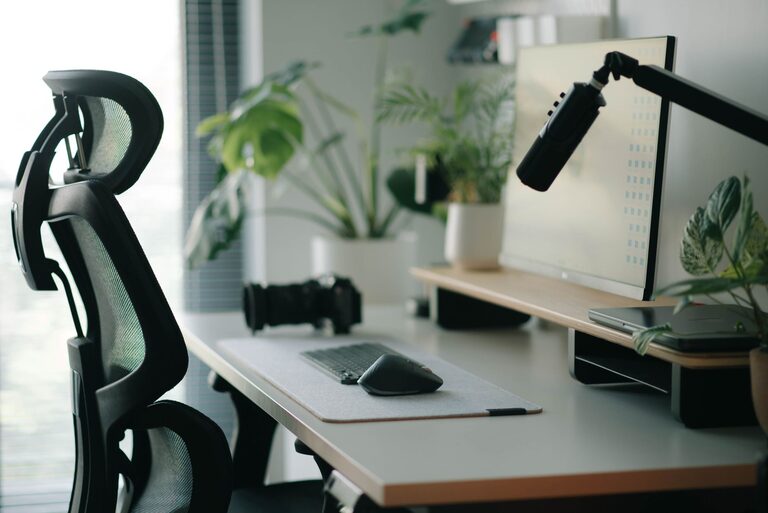
Creating an effective desk setup is essential for maintaining focus and comfort throughout your workday. Whether you work from home or in an office, a well-organized and thoughtfully arranged workspace can help reduce distractions, prevent discomfort, and increase productivity. This guide offers practical tips to design a desk environment that supports both your mental clarity and physical well-being.
Why Your Desk Setup Matters
Your desk setup directly influences how you feel and perform during work hours. A cluttered or uncomfortable space can lead to distractions, physical strain, and fatigue. Conversely, a clean, organized, and ergonomic desk can promote better posture, reduce stress, and help you stay focused for longer periods.
Choosing the Right Desk and Chair
Desk Height and Size
Select a desk that fits your available space while providing enough surface area for your computer, accessories, and any paperwork. The desk height should allow your elbows to rest comfortably at about a 90-degree angle when typing. Standard desk heights usually range from 28 to 30 inches, but adjustable desks or sit-stand options offer flexibility for different users.
Ergonomic Chair
Invest in a chair that supports your spine’s natural curve. Look for chairs with adjustable height, lumbar support, and comfortable cushioning. Your feet should rest flat on the floor or a footrest, and your thighs should be parallel to the ground to promote good circulation.
Positioning Your Monitor and Devices
Monitor Placement
Place your monitor directly in front of you, about an arm’s length away. The top of the screen should be at or slightly below eye level to prevent neck strain. If you use dual monitors, position them side by side and angle them to reduce head turning.
Keyboard and Mouse
Keep your keyboard and mouse close to each other and at the same height. Your wrists should be straight and relaxed while typing or using the mouse. Consider a wrist rest to provide additional support.
Organizing Your Workspace
Declutter Regularly
A clutter-free desk reduces distractions and helps you focus. Keep only essential items on your desk, such as your computer, a notebook, and a pen. Store other supplies in drawers or organizers.
Use Storage Solutions
Desk organizers, shelves, or drawer dividers can keep papers, pens, and gadgets neatly arranged. Label storage boxes or files to quickly find what you need.
Enhancing Comfort and Focus
Lighting
Good lighting is key for reducing eye strain and maintaining alertness. Use natural light where possible, positioning your desk near a window but not directly facing it to avoid glare. If natural light is limited, use a desk lamp with adjustable brightness and color temperature.
Add Personal Touches Mindfully
Decorate your workspace with a few personal items like a plant, photo, or artwork. These can boost mood and creativity but avoid overcrowding your desk.
Maintain Air Quality and Temperature
Ensure your workspace is well ventilated and at a comfortable temperature. Fresh air and moderate warmth help keep your mind sharp.
Incorporating Movement and Breaks
Sit-Stand Desks
If possible, use a sit-stand desk to alternate between sitting and standing throughout the day. This can reduce fatigue and improve circulation.
Take Regular Breaks
Follow the 20-20-20 rule: every 20 minutes, look at something 20 feet away for at least 20 seconds to prevent eye strain. Get up and stretch or walk briefly every hour to relieve muscle tension.
Cable Management for a Clean Desk
Tidy cables can improve aesthetics and prevent tangling. Use cable clips, sleeves, or under-desk trays to keep cords organized and out of sight. This also reduces the risk of tripping or accidentally unplugging devices.
Final Thoughts
Creating a desk setup tailored to your comfort and focus doesn’t require expensive equipment or major renovations. Small changes like adjusting monitor height, decluttering your desk, and improving lighting can make a big difference in your daily work experience. Remember to listen to your body and adjust your setup as needed to stay comfortable and productive.
With these tips, you can design a workspace that helps you concentrate better, reduces physical strain, and makes your workday more enjoyable. Take the time to customize your desk setup—you’ll likely notice positive effects on your work quality and overall well-being.
Related Post

How to Keep Your Emails Under Control and Stay Organized
Learn practical tips to manage your inbox, reduce email overload, and stay on top of [...]

Tips for Setting Boundaries with Notifications to Boost Focus
Learn simple, effective ways to manage your notifications and create healthy digital boundaries for improved [...]

How to Design a Weekly Reset Routine for a Fresh Start
A weekly reset routine helps you recharge, refocus, and set clear goals for the week [...]